

When a child becomes sick or injured unexpectedly, parents often have to decide quickly where to seek medical help. Urgent care services can be appropriate for many mild or moderate childhood illnesses and injuries, but some symptoms require the broader capabilities of an emergency room. Severe breathing difficulty, unusual sleepiness, major injuries, seizures, or rapid deterioration should never be ignored. In injury cases, diagnostic tools such as X-ray services may also be needed to determine whether a fracture or another serious problem is present.

Understanding the difference between urgent and emergency care can help parents make safer decisions without unnecessary delays.
Medical disclaimer: This article provides general educational information and does not replace advice, diagnosis, or treatment from a pediatrician or other qualified healthcare professional. Call 911 when a child appears critically ill, has severe breathing difficulty, is unconscious, or cannot be transported safely.
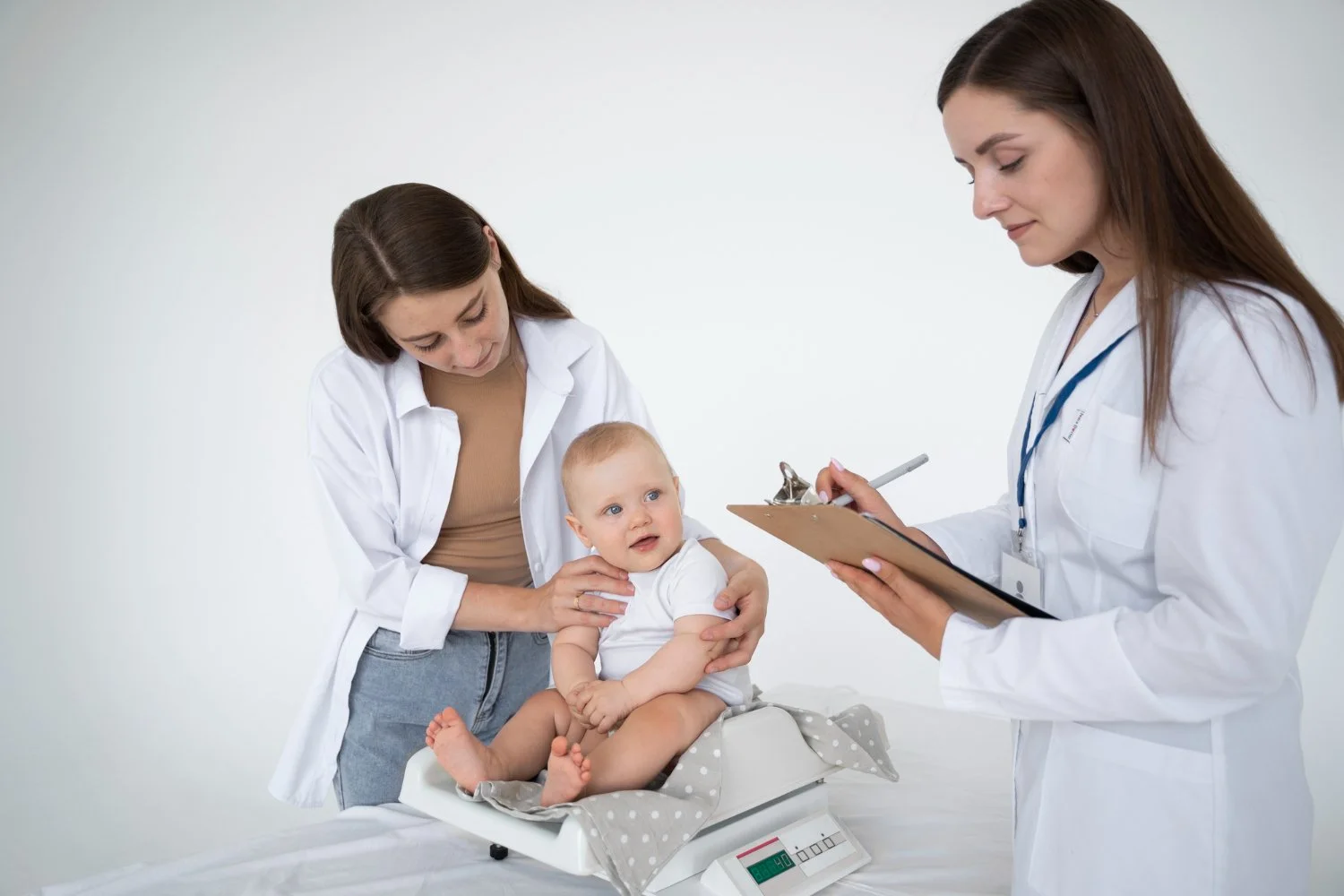
Why Medical Problems Can Become Serious Quickly in Children
Children are not simply smaller versions of adults. Their heart rates, breathing patterns, fluid requirements, and responses to illness differ by age.
Babies and toddlers may also be unable to explain what hurts or how they feel. Instead, parents may notice changes such as:
- Unusual crying
- Poor feeding
- Reduced activity
- Irritability
- Difficulty waking
- Changes in breathing
- Fewer wet diapers
- Refusal to walk or use an arm
- Unusual skin color
Parents know their child\’s normal behavior better than anyone else. A sudden change from normal activity or responsiveness can be an important warning sign even when the child cannot describe a specific symptom.
When Urgent Care May Be Appropriate for a Child
Urgent care may be reasonable when a child has a mild or moderate condition, remains alert, is breathing comfortably, and shows no signs of a medical emergency.
Common examples may include:
- Mild cold symptoms
- Sore throat
- Ear pain
- Minor rash
- Small cuts
- Mild sprains
- Low-grade fever in an otherwise well child
- Minor burns
- Mild vomiting without dehydration
- Uncomplicated urinary symptoms
Parents should still monitor the child closely because symptoms can change.
For example, a child with a mild cough who is playing, drinking, and breathing comfortably may be appropriate for outpatient evaluation. If that same child begins struggling to breathe, becomes blue around the lips, or becomes difficult to wake, emergency care is needed.
Signs a Child May Need Emergency Care Instead
Some symptoms indicate that waiting for routine or lower-acuity care may be unsafe.
Severe Breathing Difficulty
Breathing problems can become serious quickly in children because their airways are smaller than those of adults.
Emergency warning signs include:
- Skin pulling inward between the ribs
- Flaring nostrils
- Grunting
- Severe wheezing
- Gasping
- Pauses in breathing
- Inability to speak or cry normally
- Blue or gray lips
- Extreme tiredness while breathing
A child who can only say a few words before stopping to breathe needs prompt evaluation.
Call 911 if the child is barely breathing, becomes blue or gray, passes out, or stops responding normally.
Unresponsiveness or Major Changes in Behavior
A child who is difficult to wake, unusually limp, confused, or not interacting normally may have a serious medical problem.
Possible causes include:
- Severe infection
- Low blood sugar
- Head injury
- Poisoning
- Breathing problems
- Neurological conditions
Parents should pay attention to changes such as:
- Failure to recognize familiar people
- Slurred or unusual speech
- Inability to stay awake
- Weak or abnormal crying
- Sudden loss of balance
- Little response to touch or voice
- Extreme irritability that is unusual for the child
Do not assume that severe sleepiness is simply caused by being tired or having a fever.
First-Time or Prolonged Seizures
A seizure may involve shaking, body stiffness, staring, loss of awareness, or unusual repetitive movements.
Call 911 when:
- It is the child\’s first seizure
- The seizure lasts several minutes
- Another seizure begins before recovery
- The child has trouble breathing
- The child remains unresponsive afterward
- The seizure occurs in water
- The child is injured during the seizure
Move dangerous objects away and protect the child\’s head.
Do not restrain the child and never put food, medication, fingers, or another object into the mouth during a seizure.
Fever: When Parents Should Be More Concerned
Fever is common in children, but the temperature is only one part of the assessment.
Parents should also consider:
- Age
- Alertness
- Breathing
- Hydration
- Activity level
- Associated pain
- Rash
- Vomiting
- Duration of symptoms
Fever in Young Infants
A baby younger than 3 months with a rectal temperature of 100.4°F (38°C) or higher needs prompt medical evaluation.
Very young babies can develop serious infections without displaying obvious symptoms.
Fever With Emergency Warning Signs
Seek emergency evaluation when fever occurs with:
- Severe breathing difficulty
- Difficulty waking
- A seizure
- Stiff neck
- Severe headache
- Blue or gray lips
- Significant dehydration
- A concerning purple or non-fading rash
- Rapid deterioration
A child with a moderate fever who is difficult to wake may be more concerning than a child with a higher temperature who is drinking, playing, and responding normally.

Vomiting and Dehydration in Children
Children can lose fluid rapidly through vomiting, diarrhea, fever, and fast breathing.
Young children are especially vulnerable because they have less fluid reserve than adults.
Signs of Dehydration
Watch for:
- Far fewer wet diapers
- Very little urination
- Dry mouth
- No tears while crying
- Sunken eyes
- Severe weakness
- Fast heartbeat
- Dizziness
- Unusual sleepiness
- Reduced alertness
A child who cannot keep liquids down and is urinating much less than normal should be evaluated promptly.
Emergency care may be necessary when vomiting contains blood, looks similar to coffee grounds, appears green, or occurs with severe abdominal pain.
When Urgent Care Services May No Longer Be Enough
In the middle of an illness, parents should reassess the child\’s condition rather than relying only on how the symptoms began. Urgent care services may have been reasonable when symptoms were mild, but a higher level of care may become necessary if the child develops breathing difficulty, altered awareness, severe dehydration, uncontrolled pain, major bleeding, or rapid deterioration.
A child who was drinking normally in the morning but later cannot keep fluids down, stops urinating, and becomes unusually sleepy should be reevaluated.
The appropriate level of care can change as the child\’s condition changes.
Injuries That May Require Emergency Evaluation
Children frequently experience falls, sports injuries, playground accidents, and other trauma.
Many injuries are minor, but certain signs suggest a more serious problem.
Possible Fractures
Seek prompt evaluation when an injured limb:
- Looks deformed
- Cannot be used normally
- Becomes severely swollen
- Is extremely painful
- Develops numbness or tingling
- Becomes pale, blue, or cold
- Has bone visible through the skin
A child may still be able to move an injured arm or leg even when a fracture is present.
In these situations, X-ray services can help clinicians identify certain bone injuries and determine whether splinting, immobilization, specialist evaluation, or additional treatment may be necessary.
Do not attempt to straighten a deformed limb.
Serious Head Injuries
Children often bump their heads, but certain symptoms after a fall, sports collision, or other impact require emergency assessment.
Watch for:
- Loss of consciousness
- Repeated vomiting
- Worsening headache
- Confusion
- Difficulty walking
- Slurred speech
- Weakness
- Unequal pupils
- Seizure
- Extreme sleepiness
- Unusual behavior
Call 911 if the child cannot be awakened, has severe breathing problems, or may have a neck or spinal injury.
Severe Allergic Reactions
Anaphylaxis is a serious allergic reaction that may develop rapidly after exposure to foods, medications, insect stings, or other allergens.
Warning signs include:
- Swelling of the lips, tongue, or throat
- Trouble breathing
- Difficulty swallowing
- Sudden wheezing
- Widespread hives with other symptoms
- Repeated vomiting
- Severe dizziness
- Collapse
If the child has a prescribed epinephrine auto-injector, use it according to the child\’s medical instructions and call 911.
Improvement after epinephrine does not eliminate the need for emergency medical evaluation.
Serious Abdominal Pain
Children may experience stomach pain from constipation, gas, infections, or other minor conditions.
Emergency evaluation becomes more important when abdominal pain is:
- Severe and constant
- Rapidly worsening
- Associated with repeated vomiting
- Accompanied by blood in vomit or stool
- Associated with a swollen or rigid abdomen
- Accompanied by fainting or extreme weakness
- Located mainly in the lower-right abdomen and worsening
Young children may not be able to explain their pain. They may instead cry continuously, refuse to move, pull their knees toward the chest, or react strongly when the abdomen is touched.
Possible Poisoning or Medication Overdose
Children may accidentally swallow medications, cleaning products, chemicals, button batteries, or other potentially harmful substances.
Do not wait for symptoms to develop before seeking professional guidance.
Do not make a child vomit unless specifically instructed by a poison-control professional or healthcare provider.
Call 911 when the child:
- Collapses
- Has a seizure
- Cannot breathe normally
- Cannot be awakened
- Develops severe confusion
If possible, bring the medication bottle, product container, or packaging with you, but do not delay emergency treatment to look for it.
A Practical Decision Checklist for Parents
When deciding where to seek care, ask several simple questions.
Is My Child Breathing Comfortably?
Severe breathing difficulty requires emergency help.
Is My Child Alert and Responding Normally?
A child who cannot be awakened normally or becomes severely confused needs urgent assessment.
Is My Child Drinking and Urinating?
Significant reductions in fluid intake or urination may indicate dehydration.
Can My Child Move Normally?
Refusal or inability to walk, stand, or use an injured limb may indicate a significant injury.
Are Symptoms Getting Worse Quickly?
Rapid deterioration is an important warning sign.
Can My Child Be Transported Safely?
Call 911 when you believe the child\’s condition could worsen during the drive or when moving the child could cause further injury.
Real-World Examples
Example 1: Fever and Ear Pain
A school-age child develops mild fever and ear discomfort but remains playful, eats normally, and breathes comfortably.
A same-day outpatient visit may be reasonable.
If the child later becomes difficult to wake, develops a stiff neck, has a seizure, or starts struggling to breathe, emergency evaluation is necessary.
Example 2: Playground Fall
A child falls from playground equipment and develops mild wrist pain.
If the child can move the fingers, has normal sensation and circulation, and the wrist is not deformed, outpatient evaluation may be appropriate.
If the wrist appears badly deformed, the hand becomes numb or cold, or bone is visible, emergency care is more appropriate.
Example 3: Vomiting
A child vomits twice but remains alert, drinks small amounts of fluid, and continues urinating.
Parents may be able to monitor the child while obtaining professional advice.
If vomiting becomes persistent, urine output drops significantly, the child becomes extremely sleepy, or severe abdominal pain develops, the situation requires more urgent assessment.
Emergency Care for Children in Fort Worth
For families in Fort Worth whose child develops symptoms or injuries that may require emergency-level evaluation, ER of Fort Worth- EMERGENCY ROOM is a local option for patients who are stable enough to travel safely. Parents can contact the facility directly to confirm current pediatric capabilities, diagnostic services, insurance participation, and billing information. Call 911 instead of driving when a child is unconscious, severely short of breath, experiencing a prolonged seizure, bleeding heavily, or may deteriorate during transportation.

What Parents Can Bring When Time Allows
Never delay emergency care to gather paperwork.
When practical, bring:
- A medication and dosage list
- Information about allergies
- Relevant medical history
- The child\’s approximate weight
- Recent treatment information
- The time symptoms began
- Insurance information
- Relevant medication or chemical containers
It is also helpful to explain how the child\’s behavior differs from normal.
For example, telling a clinician, “She normally talks constantly, but she has barely responded for the last two hours,” can provide important context.
Frequently Asked Questions
Should I Take My Child to Urgent Care or the Emergency Room for a Fever?
A stable child who is alert, drinking fluids, breathing comfortably, and has no serious warning signs may sometimes be evaluated outside an emergency room. Emergency care is more appropriate when fever occurs with severe breathing difficulty, seizures, confusion, severe dehydration, a stiff neck, unusual rash, or difficulty waking. Babies younger than 3 months with a rectal temperature of 100.4°F (38°C) or higher require prompt medical evaluation.
When Does a Child\’s Injury Need an X-Ray?
A clinician may consider imaging when an injury causes significant pain, swelling, tenderness, inability to use the body part, or possible deformity. Emergency assessment is particularly important when bone is exposed, the limb is badly deformed, or the hand or foot below the injury becomes numb, pale, blue, or cold.
When Should Parents Call 911 Instead of Driving a Child to the ER?
Call 911 when a child cannot breathe normally, is unconscious or difficult to wake, has blue or gray skin, experiences a prolonged seizure, has uncontrolled bleeding, suffers major trauma, or may become significantly worse during transportation. Emergency medical personnel can begin assessment and stabilization before arrival at a medical facility.
Final Takeaway
Parents should base the decision between urgent care services and emergency care on the child\’s current condition rather than convenience alone. Mild, stable illnesses and minor injuries may be appropriate for outpatient evaluation, while severe breathing problems, seizures, altered awareness, major injuries, significant dehydration, or rapid deterioration require emergency assessment. Injuries involving possible broken bones may also require diagnostic testing such as X-ray services to help determine the extent of the damage. When breathing, consciousness, circulation, or safe transportation is uncertain, call 911 rather than waiting for symptoms to become more serious.