
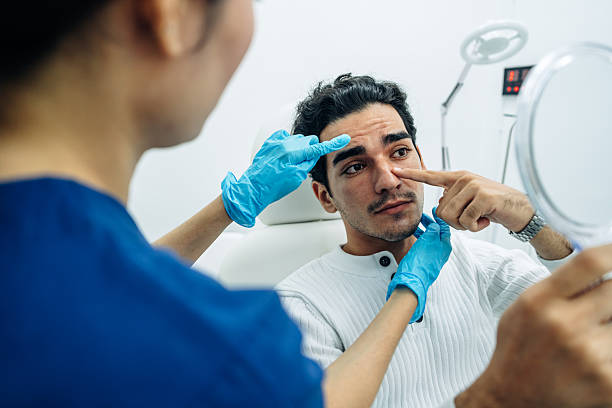

Rhinoplasty is one of the most commonly performed facial plastic surgeries worldwide, helping individuals improve both the appearance and function of their noses. As surgical technology and medical knowledge continue to advance, modern rhinoplasty has become more precise, predictable, and patient-focused than ever before. Many people considering the procedure naturally wonder about its safety and recovery. Understanding how today’s surgical techniques work can help patients make informed decisions and approach treatment with realistic expectations. Rhinoplasty is performed using advanced methods that prioritize patient safety, preserve nasal function, and create natural-looking results through careful planning and individualized care.
Understanding Rhinoplasty
Rhinoplasty is a surgical procedure designed to reshape the nose by modifying its bone, cartilage, and soft tissues. While many individuals seek rhinoplasty to improve facial harmony, the procedure can also address structural problems that interfere with normal breathing.
Every Rhinoplasty in Riyadh procedure is unique because each patient’s facial anatomy, skin thickness, nasal structure, and personal goals are different. Modern rhinoplasty focuses not only on cosmetic improvement but also on preserving or enhancing nasal function whenever possible.
Careful surgical planning allows the procedure to balance both appearance and long-term functionality.
How Modern Techniques Have Improved Safety
Advancements in surgical methods have significantly improved the safety of rhinoplasty over the past several decades. Earlier techniques often relied on removing larger amounts of cartilage and bone, which occasionally affected long-term nasal stability.
Today’s surgeons generally use preservation-focused approaches that maintain important structural support while reshaping the nose more conservatively. By preserving healthy tissue whenever possible, modern techniques reduce unnecessary trauma and promote more predictable healing.
Improved understanding of nasal anatomy has also contributed to better surgical precision and long-term outcomes.
Careful Patient Evaluation Before Surgery
Safety begins long before the actual operation. A thorough consultation allows the surgeon to determine whether a patient is an appropriate candidate for rhinoplasty.
During this evaluation, the patient’s medical history, previous surgeries, medications, allergies, and overall health are carefully reviewed. The surgeon also examines nasal anatomy, skin quality, cartilage strength, facial proportions, and breathing function.
Identifying existing medical conditions or structural abnormalities helps minimize potential risks while supporting safe surgical planning.
Personalized Surgical Planning
Every nose has unique anatomical characteristics. Modern rhinoplasty emphasizes individualized planning rather than using a standard surgical technique for every patient.
Surgeons carefully assess facial balance, nasal symmetry, skin thickness, and internal nasal structures before recommending the most appropriate approach. This customized planning allows surgical changes to complement the patient’s natural facial features while maintaining structural stability.
Personalized treatment contributes to both safety and long-term patient satisfaction.
Advanced Imaging and Consultation Tools
Technological advancements have improved communication between surgeons and patients during the consultation process. Digital imaging allows patients to visualize potential outcomes while discussing realistic treatment goals.
Although digital simulations do not guarantee exact results, they help establish clear expectations and improve mutual understanding before surgery.
Better communication reduces misunderstandings while supporting informed decision-making throughout the treatment process.
Preserving Normal Nasal Function
One of the most important goals of modern rhinoplasty is preserving the nose’s ability to function properly. The nose performs several essential tasks, including filtering, warming, and humidifying inhaled air before it reaches the lungs.
Modern surgical techniques carefully protect important structural components responsible for maintaining normal airflow. When functional problems such as a deviated septum or internal nasal valve collapse are present, they may be corrected during the same procedure.
Maintaining both appearance and function is now considered a fundamental principle of rhinoplasty.
Safer Anesthesia Practices
Anesthesia has also advanced significantly, improving patient safety during rhinoplasty procedures. Before surgery, the anesthesia team carefully reviews each patient’s medical history, current medications, allergies, and overall health status.
Throughout the operation, specialized monitoring equipment continuously measures heart rate, blood pressure, oxygen levels, breathing, and other vital signs.
Modern anesthesia protocols allow patients to remain comfortable while minimizing risks associated with surgery.
Precision During Surgery
Modern surgical instruments allow rhinoplasty to be performed with greater precision than ever before. Smaller, specialized instruments help surgeons reshape delicate nasal structures while minimizing unnecessary tissue disruption.
Careful handling of cartilage, bone, and surrounding soft tissues supports smoother healing and reduces postoperative swelling.
Precision surgery also helps preserve the natural support of the nose, contributing to stable long-term results.
Reduced Recovery Challenges
Although swelling and bruising remain normal parts of recovery, modern techniques often reduce the extent of postoperative discomfort compared with older methods.
Because surgeons now focus on preserving healthy tissues whenever possible, patients frequently experience less trauma during surgery. This tissue-preserving approach supports gradual healing while maintaining the structural integrity of the nose.
Recovery still requires patience, but advances in surgical methods have made the healing process more manageable for many patients.
The Importance of Following Recovery Instructions
Even the most advanced surgical techniques require proper postoperative care to achieve the best possible results. Patients play an essential role in supporting their own recovery by following the surgeon’s instructions carefully.
Protecting the nose from accidental injury, attending follow-up appointments, taking prescribed medications appropriately, and avoiding strenuous activities during the healing period all contribute to safe recovery.
Consistent postoperative care allows tissues to heal properly while reducing unnecessary complications.
Realistic Expectations Improve Satisfaction
Safety involves more than physical recovery. Emotional preparation and realistic expectations are equally important components of a successful rhinoplasty experience.
Modern consultation emphasizes open communication regarding what surgery can and cannot achieve. Every patient’s facial anatomy is unique, meaning results are designed to improve balance rather than create identical appearances.
Patients who understand the realistic possibilities of rhinoplasty are generally more satisfied with both the surgical experience and the final outcome.
Who Is a Good Candidate?
Not everyone is immediately suitable for rhinoplasty. Good candidates are generally in good overall health, have completed facial growth, and possess realistic expectations regarding the procedure.
Patients should fully understand both the benefits and limitations of surgery before making their decision. Emotional maturity and clear personal motivation also contribute to positive treatment outcomes.
Careful candidate selection helps maximize safety while reducing avoidable risks.
Long-Term Stability of Modern Rhinoplasty
Modern rhinoplasty techniques are designed to produce results that remain stable over time. Preserving structural support allows the nose to maintain both its appearance and normal function as healing progresses.
Although natural aging continues throughout life, well-planned rhinoplasty generally provides long-lasting improvements that remain consistent for many years.
Regular follow-up appointments during recovery allow the surgeon to monitor healing and address any concerns as they arise.
The Role of Experience and Communication
A successful rhinoplasty depends on careful planning, technical precision, and clear communication between the patient and the surgical team. Patients should feel comfortable discussing their concerns, treatment goals, and expectations throughout the consultation process.
Open communication helps ensure that the surgical plan reflects the patient’s facial anatomy while maintaining realistic objectives and prioritizing safety.
Trust and collaboration between the patient and surgeon contribute significantly to a positive treatment experience.
Conclusion
Modern rhinoplasty has become significantly safer due to advances in surgical techniques, improved understanding of nasal anatomy, enhanced anesthesia, personalized treatment planning, and tissue-preserving surgical methods. Careful patient evaluation, precise surgical execution, preservation of normal nasal function, and consistent postoperative care all work together to support successful outcomes. While every surgical procedure carries some degree of risk, thoughtful preparation and modern medical approaches have greatly improved both safety and predictability. For individuals seeking cosmetic refinement or functional improvement, Rhinoplasty in Riyadh offers a modern approach that emphasizes patient safety, natural-looking results, and long-term nasal health through individualized care and advanced surgical techniques.
Leave a Reply