

Plastic scrap is an unavoidable part of many manufacturing operations. Even highly optimized facilities can generate rejected products, runners, sprues, trimming waste, startup material, and other production leftovers.
However, plastic scrap does not necessarily have to represent a complete loss. With the right recycling strategy, manufacturers can recover material value, reduce disposal expenses, and improve overall production efficiency.
Understanding the Value of Plastic Scrap
The first step toward recovering more value is understanding what type of scrap is being generated.
Plastic scrap can vary significantly in quality. Clean, single-polymer production scrap is usually easier to process than mixed or contaminated material.
For example, a manufacturer producing polypropylene components may generate clean runners and rejected parts made from the same resin. If these materials are collected separately, they may be suitable for grinding and reuse.
On the other hand, mixed plastics, contaminated materials, or degraded resin may require more complex processing.
Keep High-Quality Scrap Separate
Segregation is one of the simplest ways manufacturers can increase the value of plastic scrap.
Different polymer types should be collected separately whenever possible. Mixing polypropylene with incompatible materials can reduce the usability of the entire batch.
Color separation can also be important. Mixing different colors may limit the applications for the resulting recycled material.
Manufacturers should therefore establish collection systems that separate materials at the point where scrap is generated.
Reduce Contamination
Contamination can significantly reduce the value of plastic scrap.
Oil, dirt, paper, labels, metal particles, moisture, and other foreign materials can make processing more difficult and affect the quality of recycled resin.
Keeping collection containers clean and protected from unnecessary contamination can make downstream recycling easier.
Where washing is necessary, the recycling process should include suitable cleaning and drying equipment.
Use the Right Size-Reduction Equipment
Plastic scrap often needs to be reduced in size before it can be reused or processed further.
Granulators can be suitable for many smaller production scraps, while shredders may be used for larger or more difficult plastic components.
The equipment should be matched to the material. Important factors include hardness, thickness, shape, throughput, and desired output particle size.
Using appropriately sized equipment can improve processing efficiency while reducing unnecessary energy consumption and maintenance problems.
Consider Reusing Recycled Material
One of the most direct ways to recover value is to return suitable recycled material to production.
Depending on product specifications and material characteristics, manufacturers may blend recycled resin with virgin material or use recycled material in products where exact virgin resin specifications are not required.
However, recycled material should always be evaluated before being introduced into critical applications. Repeated thermal processing can affect some polymers, and contamination or degradation may influence performance.
Evaluate Equipment Investment Carefully
A recycling system represents an investment, so manufacturers should consider the economics before purchasing equipment.
Important factors include:
- Amount of scrap generated
- Material type
- Required throughput
- Labor requirements
- Energy consumption
- Maintenance costs
- Expected recovered material value
- Available floor space
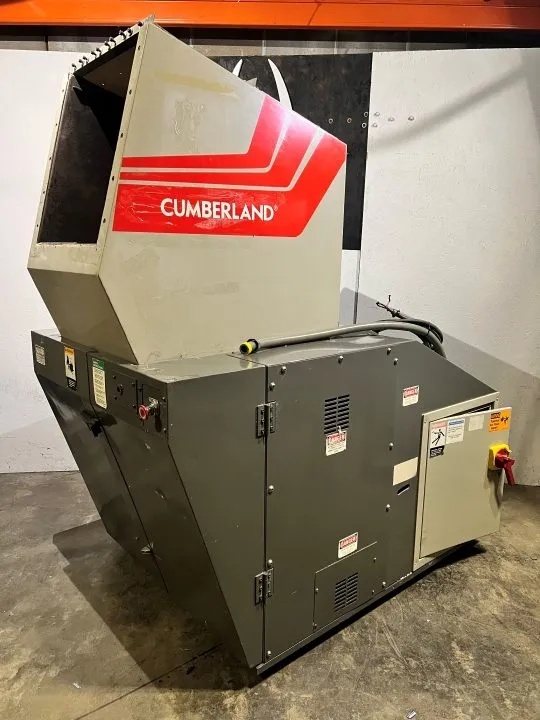
For businesses looking to expand recycling capacity while controlling capital expenditure, researching used plastic recycling machines for sale may provide another equipment sourcing option. However, the machine should be evaluated based on its condition, specifications, operating history, available replacement parts, and suitability for the intended material.
Improve Scrap Collection
Efficient collection can have a surprisingly large impact on recycling results.
Containers should be positioned close to production equipment so operators can immediately separate scrap. Labels should clearly identify the material type and intended collection stream.
Manufacturers can also establish procedures for emptying and transporting collection bins without mixing materials.
A well-organized collection system reduces contamination and makes downstream processing more predictable.
Track the Financial Impact
Manufacturers should measure the financial results of their recycling activities.
For example, a company can compare the value of recycled material with the costs associated with labor, electricity, maintenance, processing, and equipment depreciation.
It is also useful to calculate avoided disposal costs and potential savings from reduced virgin resin purchases.
This allows businesses to determine whether their recycling operation is delivering measurable economic value.
Reduce Scrap Before Recycling
While recycling can recover value, preventing scrap is even better.
Manufacturers should analyze why rejected products and production waste are being generated. Causes may include machine settings, tooling problems, material handling issues, operator errors, or quality-control failures.
Reducing defects can lower raw material consumption and decrease the amount of material that needs to be recycled.
Create a Continuous Improvement Strategy
Plastic scrap recycling should be treated as an ongoing manufacturing improvement initiative.
Companies can regularly review scrap volumes, identify the most valuable material streams, monitor recycling rates, and evaluate new processing technologies.
Over time, these improvements can help manufacturers recover more material while reducing waste-related expenses.
Conclusion
Plastic scrap can represent both a manufacturing challenge and an opportunity. By separating materials, reducing contamination, selecting appropriate recycling equipment, monitoring quality, and measuring financial performance, manufacturers can recover more value from the plastic waste they already generate.
The most effective strategy combines waste prevention with efficient recycling. When manufacturers understand their scrap streams and build processes around material recovery, plastic waste can become a useful resource rather than simply another operating cost.
Leave a Reply