


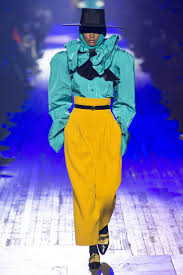
Behind the Scenes of Celebrity Outfits
When people see celebrities appearing in striking outfits at events or public appearances, it is easy to assume that these fashion choices happen spontaneously. In reality, many of these looks are carefully planned through collaboration with professional stylists. Stylists play a crucial role in shaping how celebrities present themselves through clothing.
A stylist’s job involves more than selecting garments. They consider the celebrity’s personality, career goals, upcoming appearances, and overall public image. By combining these factors, stylists help create outfits that feel authentic while still making a strong visual impression.
Planning for Public Appearances
Public events require thoughtful preparation. Stylists often begin planning outfits weeks before major appearances. They evaluate the event setting, lighting conditions, media presence, and expected audience reactions. All of these factors influence clothing decisions.
For example, an outfit intended for a formal evening event may require dramatic silhouettes, structured tailoring, and elegant fabrics. On the other hand, a daytime interview might call for lighter textures and more relaxed styling.
Stylists carefully coordinate clothing with accessories, footwear, and grooming choices to ensure a cohesive look. The goal is to create an outfit that photographs well and reflects the celebrity’s personal style.
Balancing Trends and Individual Identity
One of the most challenging aspects of styling celebrities is balancing current fashion trends with the individual’s identity. While trends can help keep appearances fresh and modern, relying on them too heavily may cause a celebrity to lose their unique visual identity.
Stylists help navigate this balance by incorporating elements of contemporary fashion while maintaining consistency with the celebrity’s established style. This approach allows public figures to evolve their look without abandoning what makes them recognizable.
The Creative Collaboration Process
Celebrity styling is often a collaborative process. Stylists present multiple outfit options and discuss them with the celebrity before final decisions are made. This exchange of ideas ensures that the final look feels comfortable and authentic.
Communication plays an important role in this process. Stylists must understand the celebrity’s preferences while also providing professional guidance. Together, they create outfits that align with both creative vision and practical considerations.
Managing Fashion Logistics
Beyond creative decisions, stylists handle many logistical tasks. They coordinate clothing fittings, manage garment deliveries, and ensure that outfits are prepared for events. They may also oversee alterations to guarantee a perfect fit.
These behind-the-scenes efforts help ensure that public appearances run smoothly. When the celebrity steps into the spotlight, everything has already been carefully prepared.
The Influence of Styling on Public Image
Stylists significantly influence how celebrities are perceived. A well-planned outfit can enhance confidence and create memorable moments that capture public attention. Over time, these moments contribute to a celebrity’s overall image.
Through creativity, planning, and collaboration, stylists help transform clothing into powerful tools of visual storytelling.
Blog 8: Celebrity Fashion Risks and Bold Choices
The Importance of Standing Out
In the world of entertainment, visibility is essential. Celebrities often attend events where hundreds of cameras capture every detail of their appearance. In such competitive environments, bold fashion choices can help individuals stand out and create memorable moments.
Fashion risks may involve unusual silhouettes, unexpected color combinations, dramatic textures, or experimental styling. While these choices may not appeal to everyone, they often generate conversations that keep celebrities in the public spotlight.
Why Some Celebrities Take Fashion Risks
Many celebrities embrace fashion experimentation as a way to express creativity and individuality. By stepping outside traditional style boundaries, they communicate confidence and a willingness to explore new ideas.
Risk-taking in fashion can also reflect artistic personality. Some public figures view clothing as an extension of their creative expression, using it to challenge expectations and inspire new interpretations of style.
Public Reactions to Bold Fashion
Bold celebrity outfits often generate mixed reactions. Some audiences admire the creativity and originality behind daring looks, while others may find them unconventional or surprising. This range of responses is part of what makes fashion experimentation interesting.
Even controversial outfits can have a lasting impact. Discussions about unusual fashion choices often keep the celebrity at the center of attention long after the event has ended.
The Role of Confidence
Confidence plays a crucial role in making bold fashion choices successful. When celebrities wear experimental outfits with assurance, the overall presentation feels intentional rather than awkward. Confidence helps transform unconventional clothing into powerful statements.
Without confidence, even the most carefully designed outfit may appear uncomfortable or forced. As a result, personal attitude often determines whether a fashion risk succeeds.
Inspiring Creative Fashion
Celebrity fashion risks can inspire audiences to become more adventurous with their own style. While everyday clothing may not be as dramatic as event outfits, elements such as color experimentation or unique layering techniques can still be adopted.
By pushing boundaries, celebrities encourage the fashion world to evolve. New ideas often emerge when individuals challenge traditional expectations.
Fashion as a Platform for Creativity
Ultimately, bold celebrity fashion choices highlight the creative potential of clothing. Fashion becomes more than a practical necessity; it transforms into a form of artistic expression.
Through experimentation and courage, celebrities help demonstrate that style can be imaginative, dynamic, and constantly evolving.