

Businesses today are faced with growing complexity in finances owing to several clients, periodical billing cycles and a large volume of transactions. Now, the accurate management of invoices has become crucial to financial operations. For today’s businesses, the emphasis is on enhanced visibility, fewer mistakes, and steady cash flow. Consequently, financial tracking systems are being replaced with more systematic and dependable digital systems in the organizations.
In this new landscape, finance is now more formal and fact-based. Invoice tracker software is crucial in automating invoice management. This change helps achieve greater accuracy and streamline administration. Today, more businesses are using digital tracking solutions to keep a clear picture of their finances – all the time – and to facilitate smoother payments throughout their operations.
The Rising Need for Digital Invoice Management
Challenges of Manual Invoice Tracking
Manual invoicing is frequently done in spreadsheets or on paper. The use of these methods creates the opportunity for human error. Data entry errors can cause inaccurate tracking of payments. These mistakes, over time, have the adverse impact of inaccuracies in financial reporting and on trust in the business.
In addition, delayed updates bring about confusion in payment cycles. Finance teams have difficulties determining whether there are invoices awaiting payment or those that are overdue. Manual tracking is less efficient and more time-consuming as transaction volume grows.
Impact on Business Cash Flow
Timely payments are critical to cash flow. Without proper tracking of invoices, businesses run the risk of experiencing payment delays. This can have an impact on operations and vendor payments.
It’s crucial to have transparency of any overdue invoices when keeping your financial stability. If not, the businesses can be at risk of miscalculating the funds available to meet their working capital needs. This challenge has helped drive the structured digital systems adoption among organizations.
Growing Financial Complexity in Businesses
In many instances, businesses have to deal with several clients, projects and billing cycles at the same time. Superb tracking and prompt updates are needed in each and every invoice. This is a complex level that manual systems can’t cope with.
Companies tend to grow, and so does the amount of financial data. This expansion presents a significant opportunity for structured digital solutions to bring together an increasing amount of invoice information.
What Is Invoice Tracker Software?
Core Purpose of Invoice Tracking Systems
The purpose of tracking systems for invoices is to have all the financial information in one central place. They assist businesses in keeping track of payment standing and invoice history all in a single place. This will make things clearer and give more clarity to your finances.
Today, a lot of business organizations have adopted invoice tracker software for optimal accounting procedures. It offers structured workflows to minimize manual processes and enhance accuracy.
Key Functionalities of Invoice Tracker Software
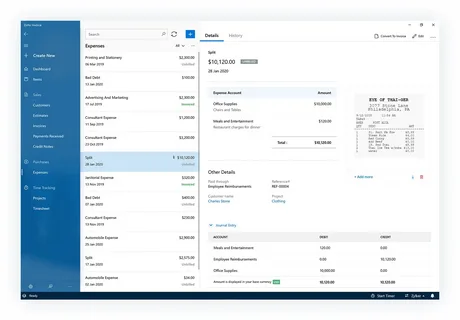
There are a few important features that invoice tracking software should have. These range from invoice generation to payment tracking, reminders of how long it takes for payments to be made and reporting dashboards. All of them promote improved financial management.
One of the major advantages of automation is that it helps to minimize manual workload. Payment reminders can aid businesses with timely follow-up on payments. Reporting tools provide clear insights into financial performance.
How Businesses Use Invoice Tracker Software
These tools can be used by finance teams to handle day-to-day billing. They have the ability to keep records accurate, up-to-date, and updated instantly; they monitor payments; and they also keep in touch with the issued invoices. This helps to ensure uniformity in financial systems.
Client billing is also more organized. Unpaid invoices can be easily spotted, and actions taken by the team in a timely manner. This helps to facilitate communication and minimise conflict.
Benefits of Using Invoice Tracker Software in Business Operations
Improved Cash Flow Visibility
Nothing is more crucial in financial planning than cash flow visibility. It is crucial for a business to know what payments are pending and what payments are done. This clarity can be achieved with invoice tracking tools on the spot.
Companies can get a real-time view of their financial status with the invoice tracker software. This will assist them to make informed choices relating to their spending and investing.
Reduced Administrative Workload
To track invoices manually, it is required to be updated and monitored continuously. This is a valuable time that finance teams waste. This is greatly alleviated by automation.
Reminders, updates, report generation, and more become automated. This enables teams to concentrate on more financial planning strategies.
Enhanced Financial Accuracy
Keeping up-to-date financial records is crucial for compliance and reporting. Manual systems can result in data entry inconsistencies. This is where invoice tracking tools help mitigate the risks.
All entries are automatically updated in a consistent manner. This helps to enhance the financial accuracy and minimizes reconciliations.
Common Features Businesses Look For
Automation and Reminders
The feature of automation is considered as one of the most crucial ones in modern systems. Automated reminders are essential for businesses when it comes to due payments. This way you will not have to do follow-up tasks manually.
Reporting and Analytics
Financial reporting tools give information about the trend of payment. It allows businesses to review the pattern of the revenue and overdue invoices. These learnings aid with improved financial planning.
Integration With Accounting Systems
Integration enables businesses to link invoice tracking with accounting software. This results in a single financial system. Data synchronisation eliminates data duplication and enhances efficiency.
Challenges Businesses Face Without Invoice Tracking Systems
Missed or Delayed Payments
If businesses don’t have any structured tracking, they will miss payment deadlines. This is a delay in revenue and cash flow issues. An important feature is that the client might not get a reminder to pay pending bills.
Poor Financial Visibility
When you don’t know what’s going on, there’s uncertainty in financial planning. No one can precisely predict all the revenue and costs of a business. This impacts on the budgeting process.
Administrative Inefficiency
Manual systems involve finance teams having to work continuously. Staff members devote more time to invoice tracking than financial data analysis. This diminishes the productivity as a whole.
How Invoice Tracker Software Supports Business Growth
Better Financial Decision-Making
Correct information helps with decision-making. Companies can see the financial trends and make financial plans for the future. Real-time insights enable improved strategic planning.
Stronger Client Relationships
Clear billing procedures foster client confidence in businesses. When there is no confusion or disagreement, clear communication is achieved. This helps to build long-term connections.
Scalability for Growing Companies
Large businesses generate more invoices, and invoice tracker software can handle the increase in data without any trouble. It is flexible to growing financial requirements.
Choosing the Right Invoice Tracker Software
Ease of Use and Interface
An easy-to-use interface makes it easier to be adopted by finance teams. Navigating makes for a quicker training process and more efficient.
Security and Data Protection
Financial data is robustly in need of protection. Secure systems: With them, access and loss of data by unauthorised users. Encryption is used to ensure that the data is safe.
Cost and Value Consideration
Cost is considered with features provided to businesses. There are a number of subscription models depending on functionalities. Companies select the tools which fit their budget and needs.
Future of Invoice Tracking in Business Finance
AI and Automation in Finance
Financial systems are undergoing transformation through the power of AI. Smart tools are able to automatically classify an invoice. Predictive features provide predictions of payment delays.
Cloud-Based Financial Systems
With cloud technology, financial data is accessible from a distance. Invoices can be managed from anywhere with a team. This means that it is easier to be flexible and work together.
Integration With Business Ecosystems
Today, financial instruments are integrated with other business systems. This means that all the departments have a streamlined workflow. Data is happily transferred from one platform to the next.
Conclusion
Today companies need perfect financial administration systems. Traditional invoicing methods are not up to the task in today’s world. Digital tools offer greater control, visibility and automation. In the ever-expanding corporate landscape, managing finances and keeping operations running smoothly is crucial, which is where invoice tracker software comes in. It enables a long-term stable and structured financial development.
FAQs
What is invoice tracker software?
It is a digital solution that allows one to monitor, manage and track real-time payments of invoices.
Why is the use of invoice tracker software by businesses?
It’s utilized by companies to make far better cash circulation visibility, limit mistakes, and automate invoice tracking.
Does small business payment tracking software benefit small businesses?
Yes, it can assist small businesses with proper financial management and scaling up.
What are the benefits of account billing software with regard to payments?
It offers reminders, active tracking and workflows for quicker payments.